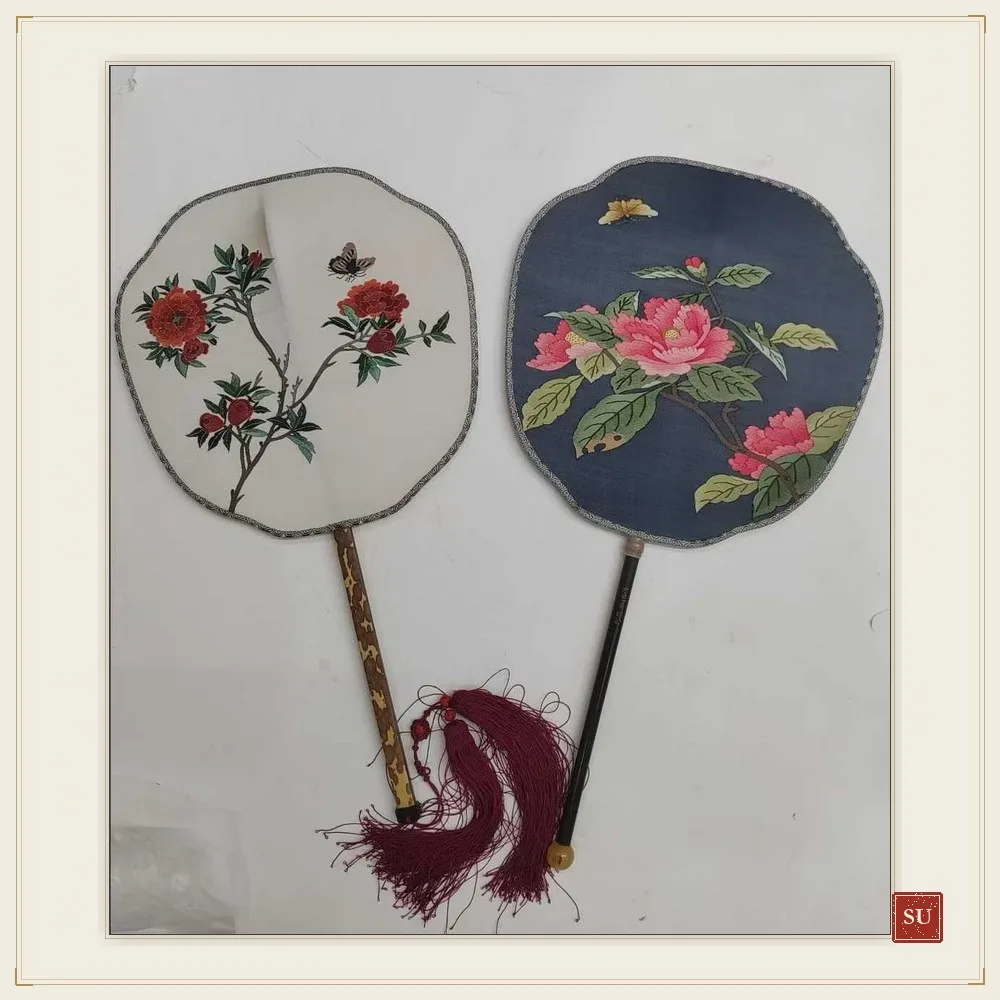
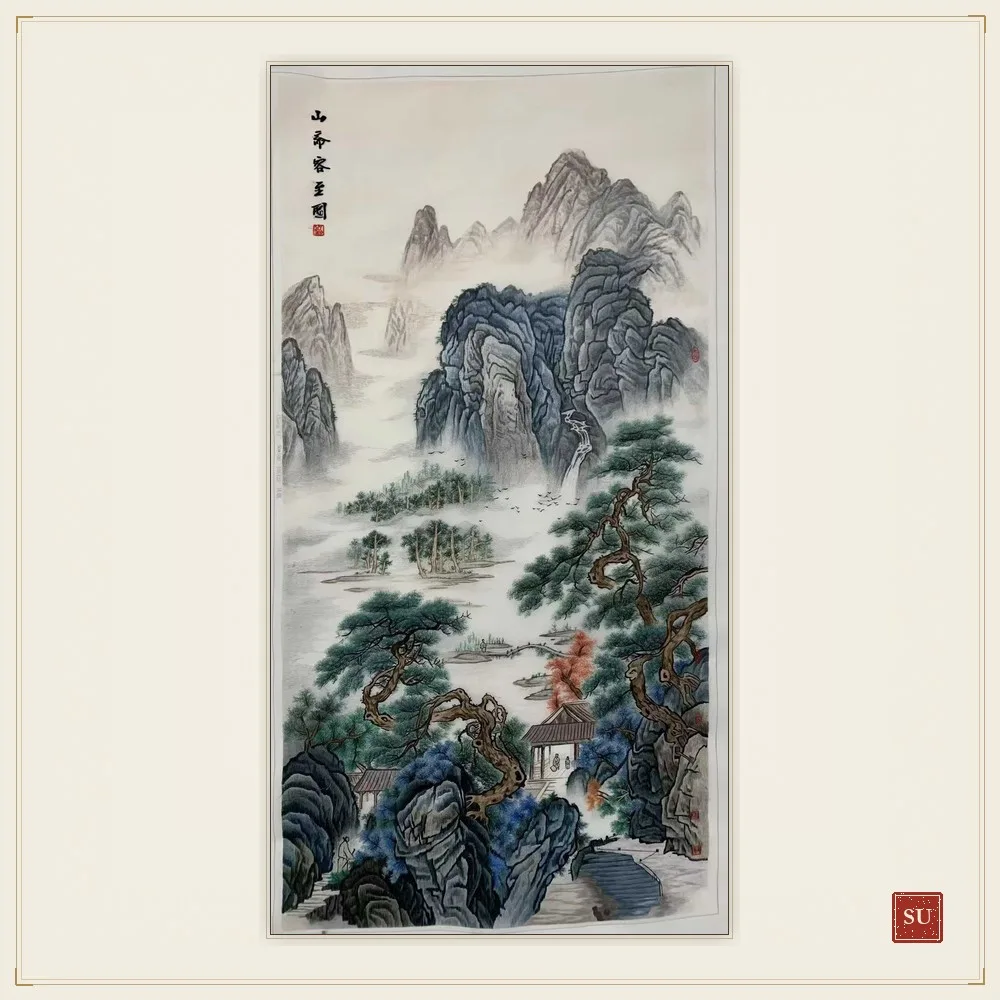
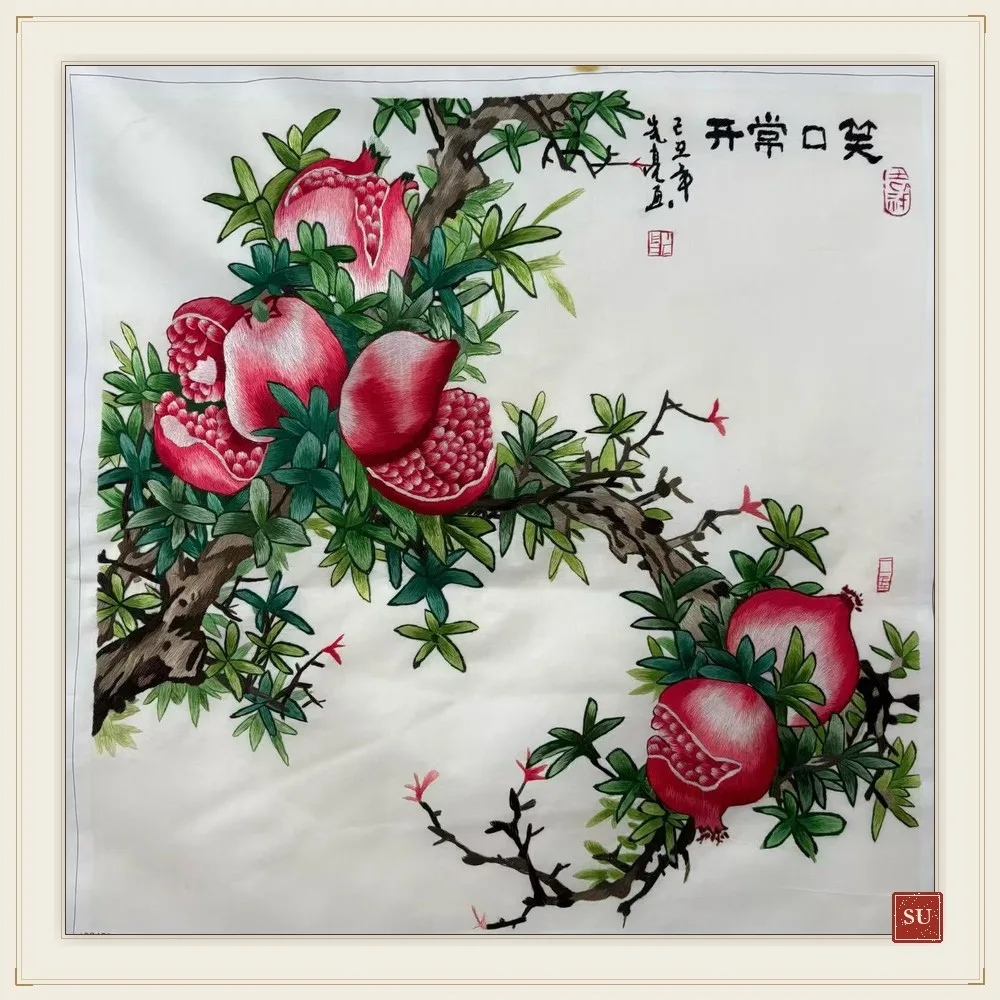
Suzhou silk embroidery, explained plainly: how it is stitched, where it came from, how to look at a piece, how to care for it and what makes one worth collecting. Written for buyers, designers and collectors outside China.
Each section is a permanent home for a group of related questions, not a chronological feed. New guides are added to the section they belong to.
How a Suzhou embroidery piece is actually made: the stitches, the silk thread, the double-sided work and the framing decisions that decide how a panel will look for decades.
Open section → II / 3 published guidesWhy Suzhou, why silk, and how a regional needle craft became one of China's Four Great Embroideries — from Song-dynasty workshops to contemporary studios.
Open section → III / 3 published guidesPractical guides for buyers and beginners: how to look at a piece, how to tell hand work from machine work, and how to care for silk once it is on your wall.
Open section → IV / 2 published guidesWhat actually drives the value of a hand-stitched silk piece — hours, fineness, subject, condition and provenance — plus how a bespoke commission works.
Open section →Su embroidery is hand-stitched silk work from Suzhou, China, known for split-thread shading, almost invisible stitches and double-sided pieces. Here is what the term actually covers and what to look at first.
A five-minute routine for looking at a stitched silk panel: distance, light, transitions, edges, reverse and frame. No technical background needed.
There is no reliable public price index for contemporary Suzhou embroidery. Here are the factors that actually move a valuation, in the order a careful buyer should check them.
Every piece in the collection is photographed in-house, with detail views of the stitching and the frame. If you are looking for a specific subject or size, we can also arrange a bespoke commission.
Browse the collectionEnquire about a piece