


A Short History of Suzhou Silk Embroidery
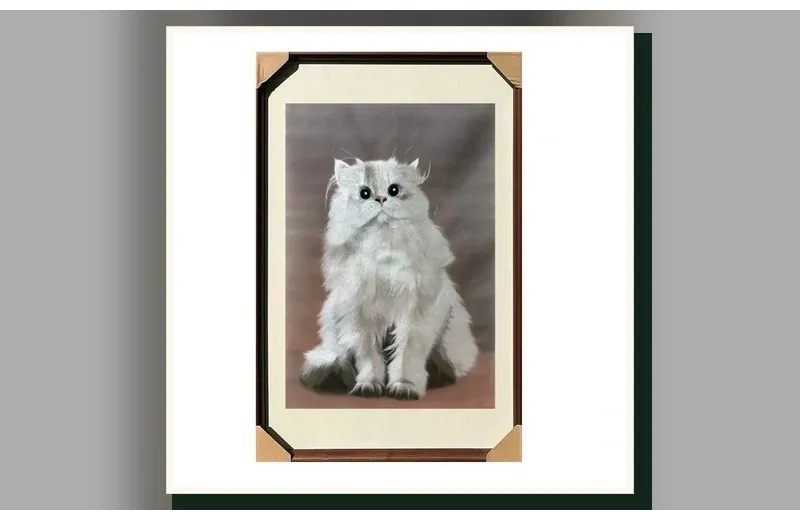
Suzhou embroidery is not an invention of the modern gift market. It is the cumulative result of a silk-producing region, a painting culture and many generations of people who got very good at passing a fine needle through fine fabric.
Silk came first
The lower Yangtze region around Suzhou has long been one of China's great silk centres. Sericulture, reeling, weaving and dyeing all sat close together, which gave local needlework something rare: immediate access to high-quality silk ground and an enormous range of dyed thread. Embroidery grew naturally out of that supply chain — first on clothing, hangings and domestic objects, then on screens and pictures.
From decoration to pictures
By the Song and Ming periods, embroidery in the Jiangnan region was increasingly used to reproduce painting rather than just to ornament cloth. That shift changed the technical ambition of the craft. A decorative border can be worked with a handful of colours; a landscape with mist, distance and reflected light requires hundreds of graded shades and stitches that follow the form rather than a grid. Suzhou workshops developed exactly that kind of shading.
In the Qing period, Suzhou's embroidery circulated widely as luxury goods and export items, and specialist workshops and family traditions became established. Regional reputations consolidated during this era, which is why the "Four Great Embroideries" grouping still uses place names today.
The twentieth-century leap: random stitch
A major technical change came with luan zhen, often translated as random or free stitch. Instead of laying stitches in neat parallel rows, the embroiderer crosses and overlaps them at varying angles, much as a painter builds up brushwork. This made it possible to render soft fur, cloud, water and photographic tonal transitions in silk, and it opened Su Xiu to Western-style painting and portrait subjects. Combined with split-thread shading, it is why a modern Su Xiu cat can look almost three-dimensional.
Double-sided work and heritage status
Double-sided embroidery pushed the logic further: one translucent silk ground, two complete images, and every thread end concealed within the fabric. It is among the hardest forms to execute and is strongly associated with Suzhou. In the modern period Su Xiu has been inscribed on Chinese intangible cultural heritage lists, with master embroiderers, studios and training programmes working to pass the skills on.
What this means for a buyer today
A contemporary hand-stitched panel still uses the same slow logic. One embroiderer, one frame, graded silk shades, and roughly three months for a mid-sized work. The history is not a marketing story bolted on afterwards; it is the reason the object takes as long as it does.
Explore how the craft is passed to the next generation or the in-depth history guides.